
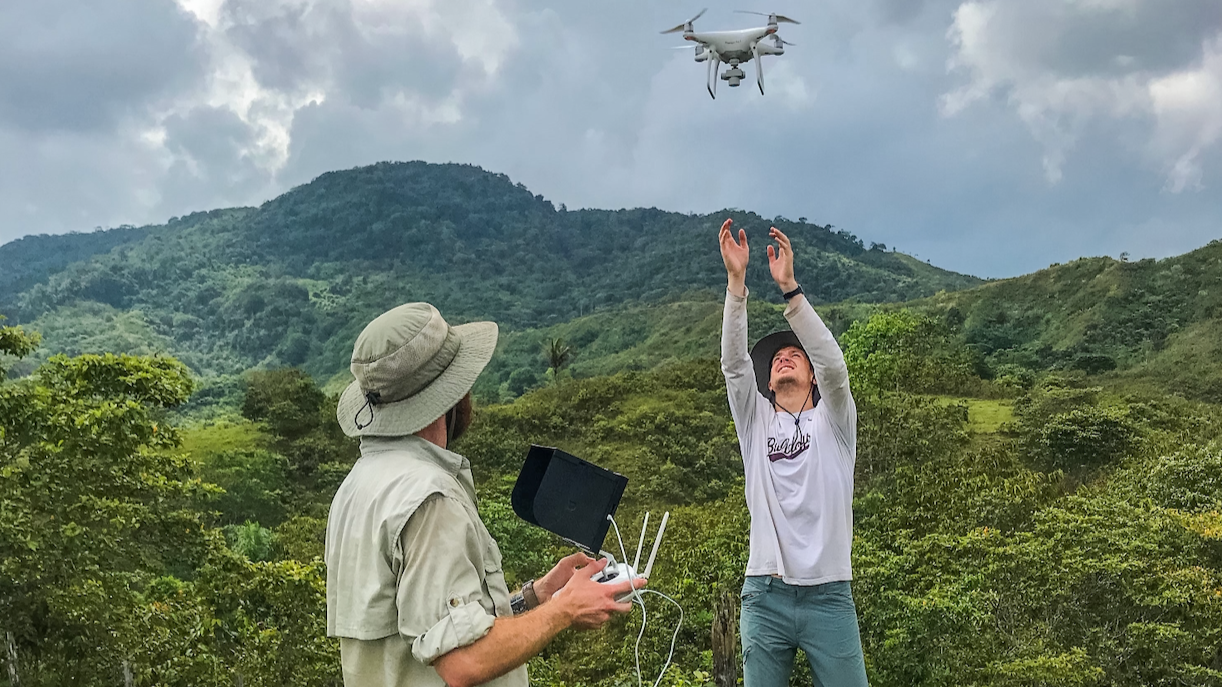
Artificial intelligence is beginning to transform the way scientists understand and protect rainforests. In one of the most remote parts of the Peruvian Amazon, a recent conservation expedition tested whether AI-powered tools could help create a more complete and continuous picture of biodiversity in places that are difficult, expensive and time-consuming to study.
The project combined several technologies at once: camera traps to photograph wildlife, underwater environmental DNA sampling, audio recorders that captured animal sounds, drones mapping the forest canopy, and automated insect-monitoring systems powered by machine learning.
Together, these tools collected enormous amounts of ecological data in only a few days. AI systems were then used to rapidly organize and analyze the information, identifying patterns and categories of species that would normally take researchers months or years to process manually.
One of the most promising breakthroughs came from insect monitoring. Traditionally, scientists could only analyze a tiny fraction of the insects attracted to nighttime light traps. With automated imaging and AI analysis, researchers were able to process hundreds of thousands of observations, turning insects into a powerful indicator of overall ecosystem health.
More importantly, the project offers a glimpse into a new era for conservation. By making biodiversity monitoring faster, more accurate and far more scalable, AI could help scientists understand ecosystems in real time rather than years after changes have already occurred.
These technologies have the potential to strengthen protected areas, support local conservation efforts and create a clearer picture of how nature is responding to both threats and recovery.
In a world where many ecosystems remain largely undocumented, AI may become one of the most powerful tools ever developed for understanding and protecting life on Earth.
#AI #ArtificialIntelligence #Technology #Biodiversity

Leave a Reply