
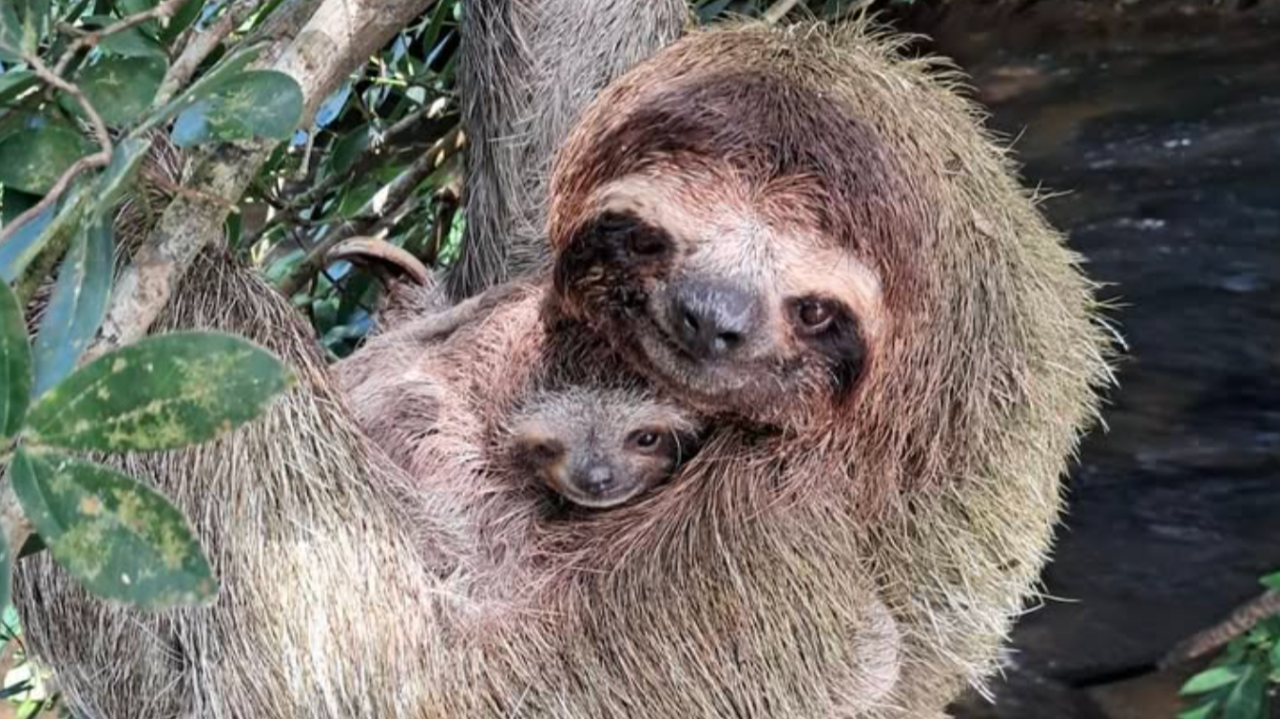
Conservation has long focused on protecting species from extinction, but a growing body of research suggests we may be overlooking one of nature’s most valuable assets: age.
Across ecosystems, older animals play a crucial role that goes far beyond reproduction. They are living reservoirs of knowledge, experience, and stability, qualities that can determine whether entire populations thrive or struggle.
In species ranging from elephants to fish, older individuals often lead migrations, identify reliable food and water sources, and help younger members navigate complex environments.
Their accumulated knowledge becomes especially important in times of environmental stress, where survival depends not just on instinct, but on learned behavior. When these elders are removed, whether through hunting, fishing, or habitat disruption, the consequences can ripple across generations.
This has led scientists to promote a new approach: conserving not just species, but their natural age structures. Maintaining a healthy distribution of young and old individuals helps preserve social systems, supports reproductive success, and strengthens resilience in the face of rapid environmental change.
Without older animals, populations may become less adaptable and more vulnerable to collapse.
Rethinking conservation in this way challenges the idea that older individuals are expendable. Instead, it highlights their essential role in sustaining ecosystems over time.
Protecting them is not simply about preserving the past, it is a strategic investment in the future of biodiversity, and a reminder that longevity itself is a form of ecological wisdom.
#age #olderanimals #biodiversity

Leave a Reply