
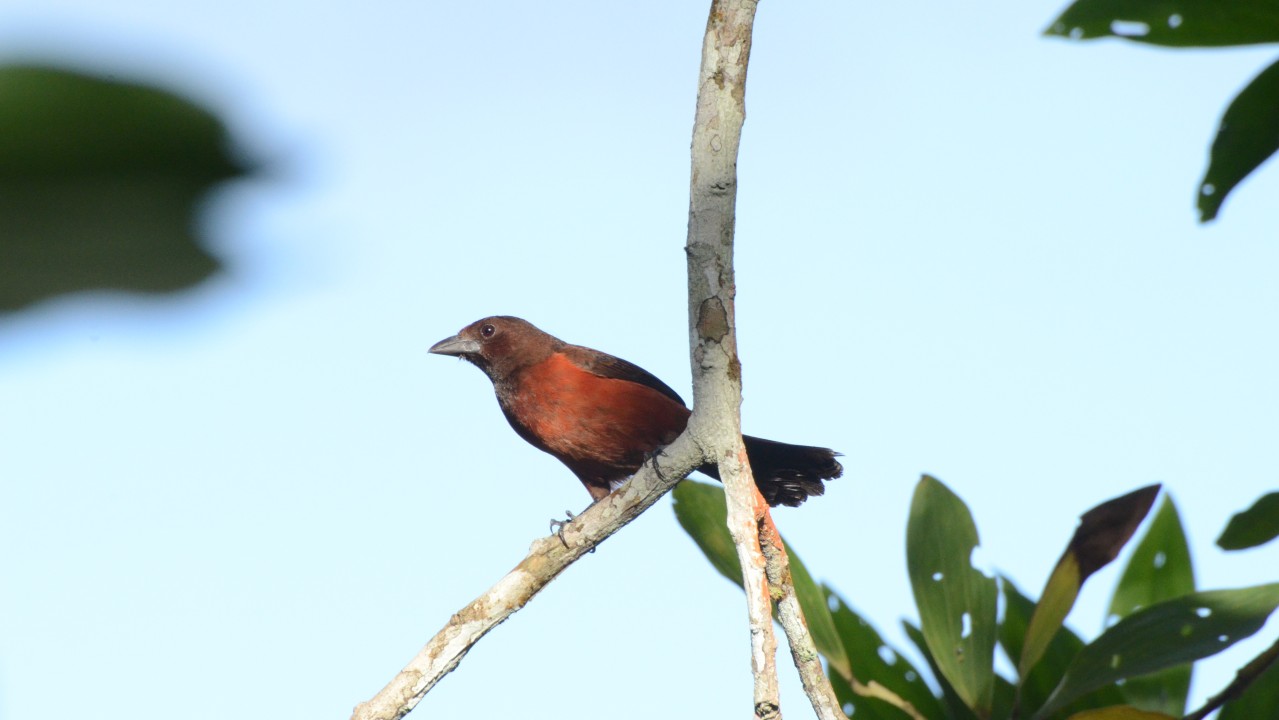
Every year, billions of birds perform one of nature’s greatest journeys. They cross oceans, deserts, mountains, and entire continents, often returning to the exact same places where they nested the year before. Some travel only a few hundred miles, while others fly halfway around the world, connecting ecosystems that may seem completely unrelated.
A new global review of more than 3,300 migratory bird species found that just over half are experiencing population declines.
Habitat loss, invasive species, pesticides, collisions with buildings, and other human-made hazards have made these remarkable journeys increasingly difficult. Because migratory birds depend on a chain of healthy habitats across multiple countries, a problem in just one stop along the route can affect their entire migration.
The encouraging news is that scientists have never understood migration better than they do today. Tiny satellite trackers, GPS tags, and decades of research are revealing where birds feed, rest, and breed throughout the year. Instead of simply protecting isolated nesting sites, conservationists can now identify the specific places and threats that matter most to each species.
History shows this approach can work. Several bird populations have recovered after targeted conservation efforts removed key threats or protected critical habitats. The challenge now is expanding those successes through international cooperation, since birds don’t recognize political borders.
Each spring and autumn, migrating birds remind us that the natural world is wonderfully connected. Protecting the places they rely on doesn’t just help birds, it also preserves healthier forests, wetlands, grasslands, and coastlines for countless other species, including ourselves.

Leave a Reply