
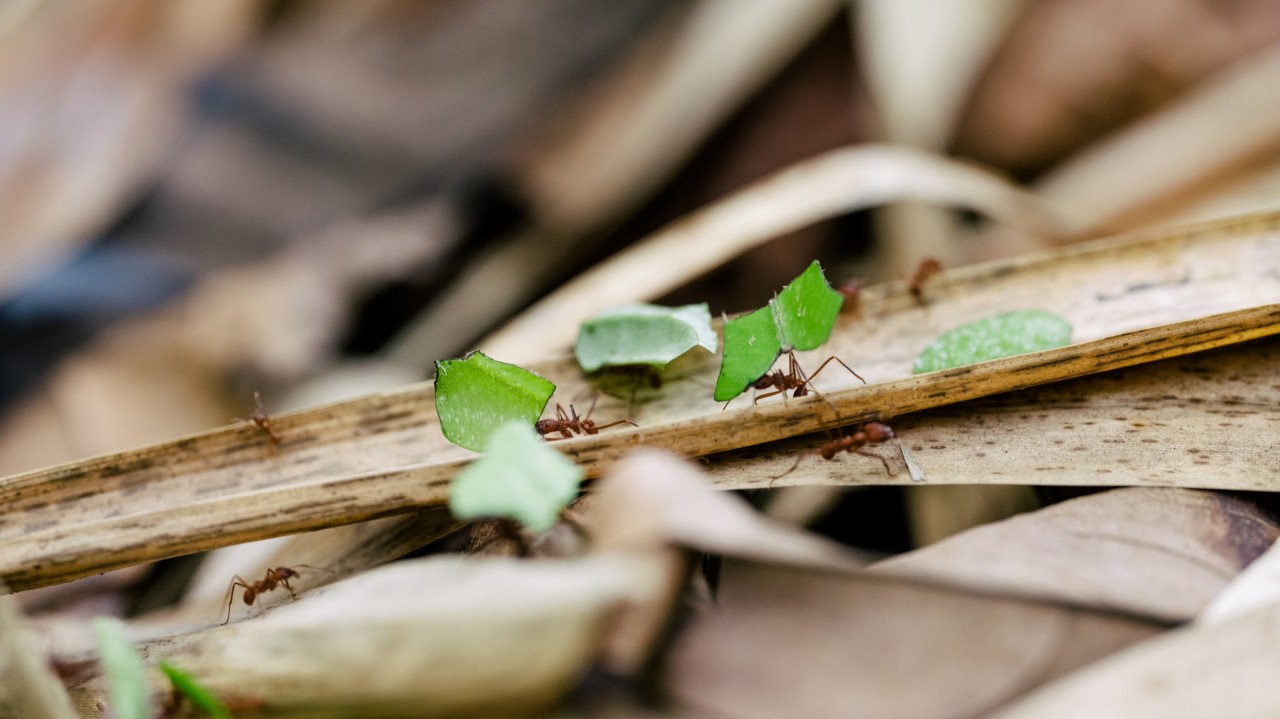
For most of us, ants are little more than uninvited guests on the kitchen counter. But for a growing community of enthusiasts around the world, they’ve become fascinating pets.
Kept in transparent nests called formicariums, ant colonies offer a front-row seat to one of nature’s most organized societies, where thousands of individuals work together to build tunnels, care for their young, and solve problems as a team.
Their growing popularity has sparked a new appreciation for these remarkable insects, whose teamwork and complex behavior rival that of much larger animals. At the same time, it offers an opportunity to remember that ants are far more than an interesting hobby, they’re essential to the health of the world’s ecosystems.
In tropical rainforests, ants are among nature’s hardest workers. They aerate the soil as they dig, disperse seeds that help forests regenerate, recycle organic matter, and even defend certain plants from hungry herbivores. They also provide food for birds, reptiles, amphibians, and countless other species, making them a vital thread in the web of life.
Without them, many of the natural processes that keep a rainforest thriving would slow down or disappear altogether.
Fortunately, some of the world’s most remarkable ant colonies are exactly where they belong. At Mamoní Valley Preserve, bull ants, leafcutter ants, and countless other species quietly shape the rainforest every day, turning soil, recycling nutrients, and supporting the web of life. All it takes is slowing down long enough to notice them. Sometimes the smallest residents tell the biggest stories.
#Ants #AntColonies #Rainforests #Ecosystem

Leave a Reply